Groovy Heart: Playful Display Font for Digital Creators
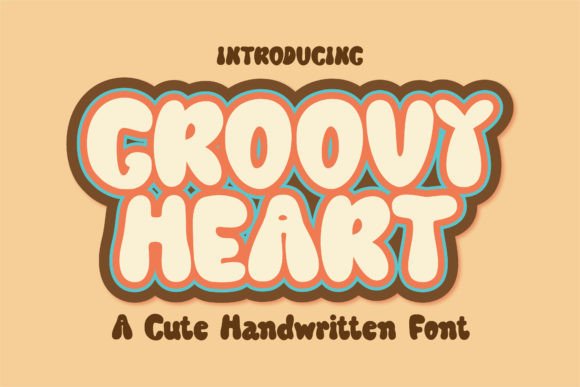
As a web designer or digital product creator, you know that a single display font can shape how people feel the moment they land on a page. Groovy Heart is a cute and fun display font with a natural, almost hand-lettered rhythm. Its playful personality instantly adds warmth to hero sections, branded banners, and content headers, while still keeping a polished, vector-clean finish that reads beautifully on screens. When you need fonts that feel alive and unmistakably unique, Groovy Heart brings a fresh, organic voice to digital design without overwhelming the layout.
Groovy Heart for Website Hero Headers and Playful Branding
When I select a display font for a website hero header, the first thing I look for is how it lands emotionally in the first half-second. Groovy Heart delivers an immediate sense of creativity and approachability. Its smooth, bouncy letterforms have a slightly retro-casual vibe that fits boutique online stores, coaching websites, creative portfolios, and SaaS brands that want to break away from cold corporate typography. On a landing page, a hero headline set in this font tells a visitor that the brand is friendly, human, and worth exploring. The natural and unique style of Groovy Heart gives headings a signature look that stock fonts simply can’t match—making it a powerful tool for building a recognizable online identity.
Groovy Heart Display Font Pairing with Clean Sans Serif for Readable Web Layouts
Pairing Groovy Heart with a legible sans serif font is one of the most practical ways to balance personality with readability in web design. While this display font thrives in large headings, it isn’t intended for dense body copy. I almost always set it alongside a clean, neutral sans serif like Inter, Open Sans, Lato, or Montserrat. The contrast creates a clear typographic hierarchy: a cheerful heading in Groovy Heart draws attention, while the sans serif body text keeps reading effortless. This pairing technique lets the font’s playful character shine without compromising scanability—exactly what conversion-focused layouts demand.
Using Groovy Heart with Inter to Create Clear Visual Hierarchy
For digital interfaces and web apps, combining Groovy Heart with Inter is a smart move. Inter’s tall x-height and crisp, minimal letterforms provide a quiet foundation that lets the display font feel even more distinctive. On a SaaS homepage, for example, I’ll use Groovy Heart for the main hero statement and section kickers, then fall back to Inter for paragraph text, form labels, and button microcopy. This keeps the UI structured while injecting the brand’s playful side exactly where it matters most. The result is a modern, friendly layout that guides the user’s eye without visual noise.
Boosting Conversion with Groovy Heart on Call-to-Action Buttons and Banners
A carefully placed display font can subtly influence click-through rates, and Groovy Heart works especially well on conversion-sensitive elements. Short, punchy phrases like “Join the Fun,” “Start Creating,” or “Get the Kit” look inviting in its rounded forms. I often use it on promotional banners, announcement bars, and standalone call-to-action sections where a little personality encourages interaction. The key is restraint: limit Groovy Heart to a handful of words so the decorative shapes don’t slow scanning. When paired with a simple, high-contrast button style, this font adds a layer of emotional trust that generic typefaces rarely deliver.
Groovy Heart for Digital Product Creators: Course Pages, PDFs, and Lead Magnets
Digital product creators need their visual voice to stay consistent from the sales page to the downloadable asset. Groovy Heart translates beautifully across all these touchpoints. On a course landing page, I’ll use it for the main title and module headlines, then carry that same typeface into the course workbook PDF cover, slide titles, and even social media graphics. Its natural and unique style makes each piece feel like part of one design system, not a patchwork of random fonts. Whether you’re selling a Canva template kit, a coaching workbook, or a digital marketing course, having a dedicated display font like this builds immediate brand recognition and perceived value.
Responsive Typography with Groovy Heart: Mobile Readability and Scaling
Because Groovy Heart is a display font with expressive shapes, you need to test it carefully on small mobile screens. I typically set a minimum font size of 28–32px for headings when viewed on a phone, and I increase letter-spacing by a pixel or two to keep letters from blending at smaller scales. For hero sections, I’ll often swap the multi-word headline for a shorter key phrase on mobile or let the container scale dynamically using viewport units. Thanks to its friendly, open counters, Groovy Heart holds up well even at moderately reduced sizes—something not all decorative fonts can claim. A quick round of real-device testing ensures that the typography stays just as charming on a 375px-wide screen as it does on a large desktop monitor.
Exploring Groovy Heart's Endless Variations for Unique Brand Identity
One of the strongest assets of Groovy Heart is the breadth of stylistic alternates packed into the font file. By toggling OpenType features or simply selecting alternate characters from a glyphs panel, you can create countless custom looks without leaving the typeface. This is gold for web designers who want a distinct logo or banner treatment but need to stay inside a cohesive brand kit. I often mix standard and alternate glyphs inside a single heading to give the layout a hand-crafted, bespoke feel. With so many possible character swaps, every landing page or digital product cover can feel genuinely one-of-a-kind—exactly what the “endless variations” promise delivers for brand scripting, seasonal promotions, or editorial web content.
Commercial License for Groovy Heart: Webfonts, Client Work, and Online Stores
Before you push a project live, it’s critical to check that your commercial font license covers all intended uses. For most web designers, this means confirming that Groovy Heart can be converted to webfont formats (WOFF and WOFF2), self-hosted on a client’s domain, or used through a third-party platform that allows embedding. If you build online stores, landing page templates for sale, or digital product mockups, verify that the license explicitly permits commercial redistribution of the font in a static, non-editable form—such as in a JPEG banner or a flattened PDF lead magnet. Typically, a standard desktop and web license will allow personal and client projects, web embedding, and use in logo design, while extended licenses may be required for template marketplaces or print-on-demand products. Always read the included licensing terms before purchase, and keep a copy for your records. When you treat font licensing as part of your professional workflow, you protect both your brand and your creative reputation.
Smart type decisions sit at the heart of every memorable online experience. Groovy Heart gives you the playful, approachable personality that today’s digital audiences respond to—wrapped in a genuinely usable, web-ready display font. From hero headers and conversion banners to digital product bundles and responsive layouts, it earns its place in a designer’s toolkit.